
Strangles in Horses: How It Spreads and the Biosecurity Steps That Stop an Outbreak
10th Jul 2026
Strangles in horses is one of the most contagious diseases you'll come across in an Australian equine setting. A single infected horse at a show, sale or shared agistment property can set off a chain reaction that sweeps through an entire herd within days.
The good news? It's very manageable when you know what to look for and move quickly.
Key Takeaways
- Strangles is caused by the bacterium Streptococcus equi and affects the upper respiratory tract
- It spreads through direct contact and via contaminated equipment, water, clothing and hands
- A rising temperature is often the very first sign – before any visible swelling or discharge
- Immediate isolation is the single most effective step you can take
- Some horses become silent carriers after recovery, which matters for quarantine decisions
What is Strangles?
Strangles is a bacterial infection of the upper respiratory tract caused by a strep bacteria (Streptococcus equi). It targets the lymph nodes around the throat and jaw, causing them to swell and, in most cases, form abscesses that eventually burst and drain. The name comes from the fact that in severe cases, the swelling can cause real difficulty breathing.
Most horses recover fully with good supportive care. Thankfully, it’s not deadly, but it's a serious disruption, and it spreads fast. Horses of any age can be affected, though younger horses and those with no prior exposure tend to be hit harder.
How Does Strangles Spread?
This is the part that catches a lot of owners off guard. Strangles doesn't need nose-to-nose contact to move between horses. The bacteria travel via:
- Direct contact between horses (shared fencelines, nose-to-nose)
- Contaminated water troughs and feed buckets
- Shared tack, halters, grooming tools and bits
- Handlers' hands, clothing and boots
- Trailers and shared transport
- Nasal discharge left on stable doors, gates and fencing
What makes it particularly tricky is that infected horses start shedding bacteria before obvious signs appear. And once an abscess bursts, the drainage is highly infectious, contaminating everything it touches.
The bacteria can survive in the environment for several weeks, especially in damp bedding and soil, which is why cleaning and disinfection matter just as much as separation.
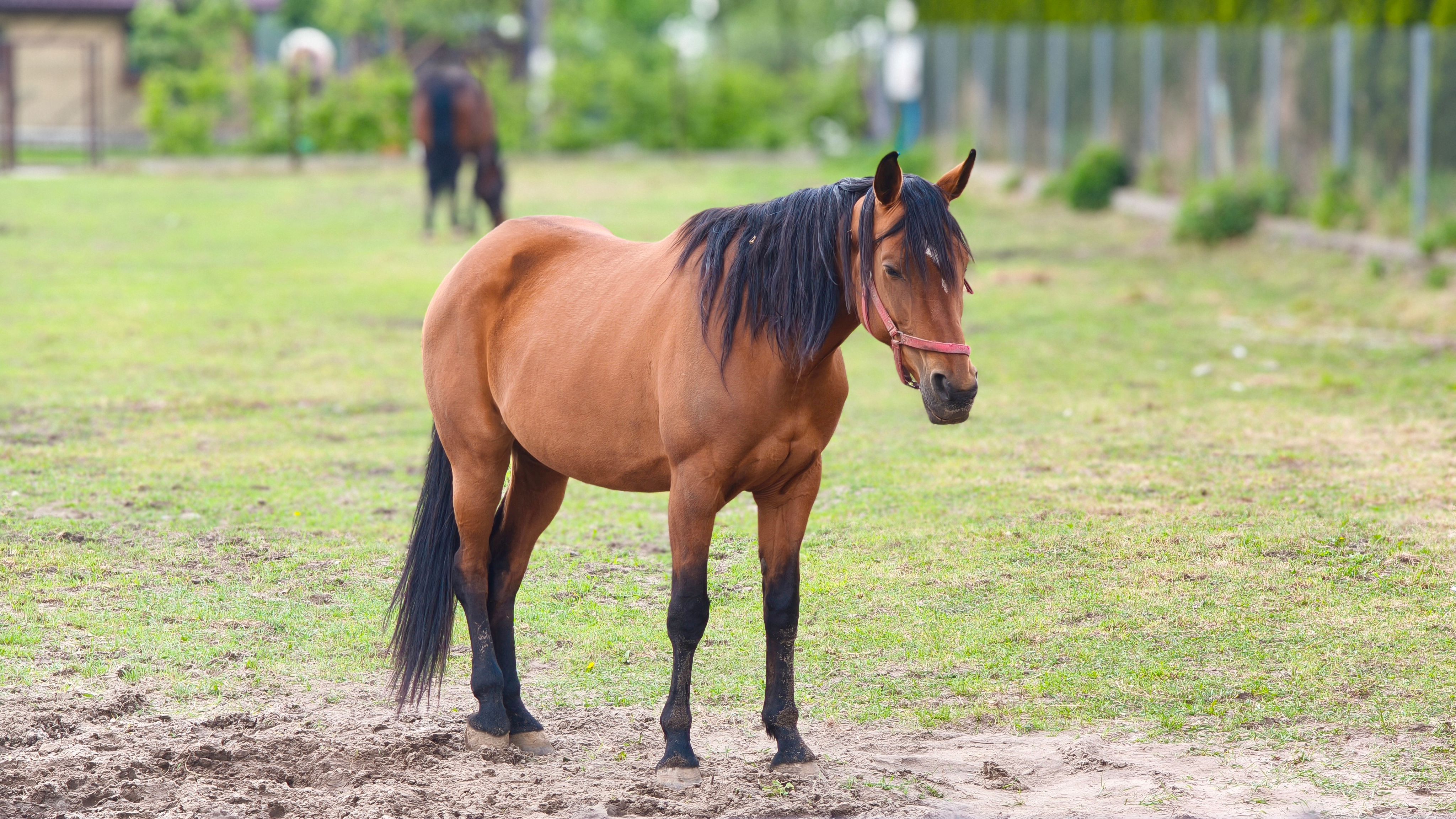
Signs Your Horse May Have Strangles
A rising temperature is usually the earliest clue, often showing up a day or two before any visible swelling or discharge. This is why twice-daily temperature checks matter when strangles is circulating in your area.
Other signs to watch for include:
- Fever (often 38.5°C or higher)
- Swollen lymph nodes under the jaw or at the throatlatch
- Thick, yellow-green nasal discharge
- Reluctance to eat or difficulty swallowing
- Dullness and lethargy
- Visible abscesses that swell and eventually rupture
Most horses recover within a few weeks. A small number develop complications – the most serious being "bastard strangles," where the infection spreads internally to lymph nodes in the chest or abdomen. Guttural pouch infections are another concern, particularly because horses can carry bacteria there without notice long after they appear to have recovered.
What to Do the Moment You Suspect Strangles
Speed is everything here. The sooner you isolate, the less ground the bacteria cover.
Isolate Immediately
Move the suspect horse away from all others. Use a separate stable, paddock or yard with no shared fenceline if you can. From that point, treat the entire area as a contaminated zone.
Dedicate Your Equipment
Every piece of equipment that goes near the isolated horse stays there. Label a separate set of buckets, tools, halter and lead rope for isolation use only. Keep the common hose nozzle well away from any shared water sources.
Handle Isolation Last
Always deal with your isolated horse after the rest of the herd. Change clothes and wash hands thoroughly before going back to healthy horses.
Call Your Vet
Your vet can confirm the diagnosis, organise PCR or culture testing, and guide your quarantine decisions. They'll also advise on when it's safe to lift restrictions – don't try to navigate that timing on your own.
Caring for an Affected Horse
Strangles in horses is mostly managed with supportive care. Here's what that looks like:
Keep Them Eating and Drinking
Swollen lymph nodes make swallowing uncomfortable. Offer soaked feeds and soft, leafy hay to make eating easier. Monitor water intake closely; dehydration is a real risk when a horse is off feed and running a temperature.
Warm Compresses
Applying warm compresses to swollen lymph nodes a few times a day encourages abscesses to mature and drain naturally. Don't try to lance them yourself without vet guidance.
Managing Burst Abscesses
Once an abscess drains, the area needs to be kept clean. A good horse wound spray helps flush the site and reduce the risk of secondary infection. If the wound is significant or in an awkward spot, your vet may recommend covering it. Having horse bandages for wounds stocked and ready means you're not scrambling when you need them.
Be Cautious with Antibiotics
Antibiotic use in strangles is controversial. Early use can be helpful in some cases; in others, it can interrupt abscess formation and drag out the illness. Always make this call with your vet.
Can Strangles Be Prevented by Vaccination?
A strangles vaccine is available, and worth discussing with your vet, particularly if you run a busy property, attend regular events, or have frequent new arrivals. Vaccination doesn't guarantee your horse won't get strangles, but it can reduce severity and limit spread within a herd.
It's a prevention strategy, not an emergency response, so it's best implemented when no active disease is present.
Act Fast, Keep It Contained
Strangles in horses is stressful, but most outbreaks can be contained when you act early and follow through on biosecurity. Isolate quickly, work closely with your vet, keep the cleaning routine tight and don't lift quarantine until you've had the proper all-clear.
Most horses come through it well, and with the right preparation in place, many outbreaks never reach the wider herd at all.
Want to make sure your stable is stocked and ready?
Browse Scone Equine Group's range of horse medicine and equine health supplies, from horse wound spray and horse bandages for wounds to a fully equipped first aid kit for horses, so you're prepared well before you ever need it.