
Preparing for Foaling: The Complete Kit and Signs That Foaling is Near
10th Jul 2026
Preparing for foaling is one of the most important things you can do as a broodmare owner. Most mares foal without any drama, but when something does go wrong, it helps to be prepared.
Knowing what signs to watch for and having the right supplies on hand can make all the difference.
Here's what you need to know before your mare's due date arrives.
Key Takeaways
- Most mares foal between day 320 and 360 of gestation. Start watching closely from day 320
- Physical changes like udder development and waxing are your clearest pre-foaling signals
- Foaling can happen within minutes once active labour begins
- Your foaling kit should be assembled and ready at least two weeks out
- The 1-2-3 rule guides what to expect in the first few hours after birth
- Call your vet immediately if anything seems off, there's no such thing as being overcautious
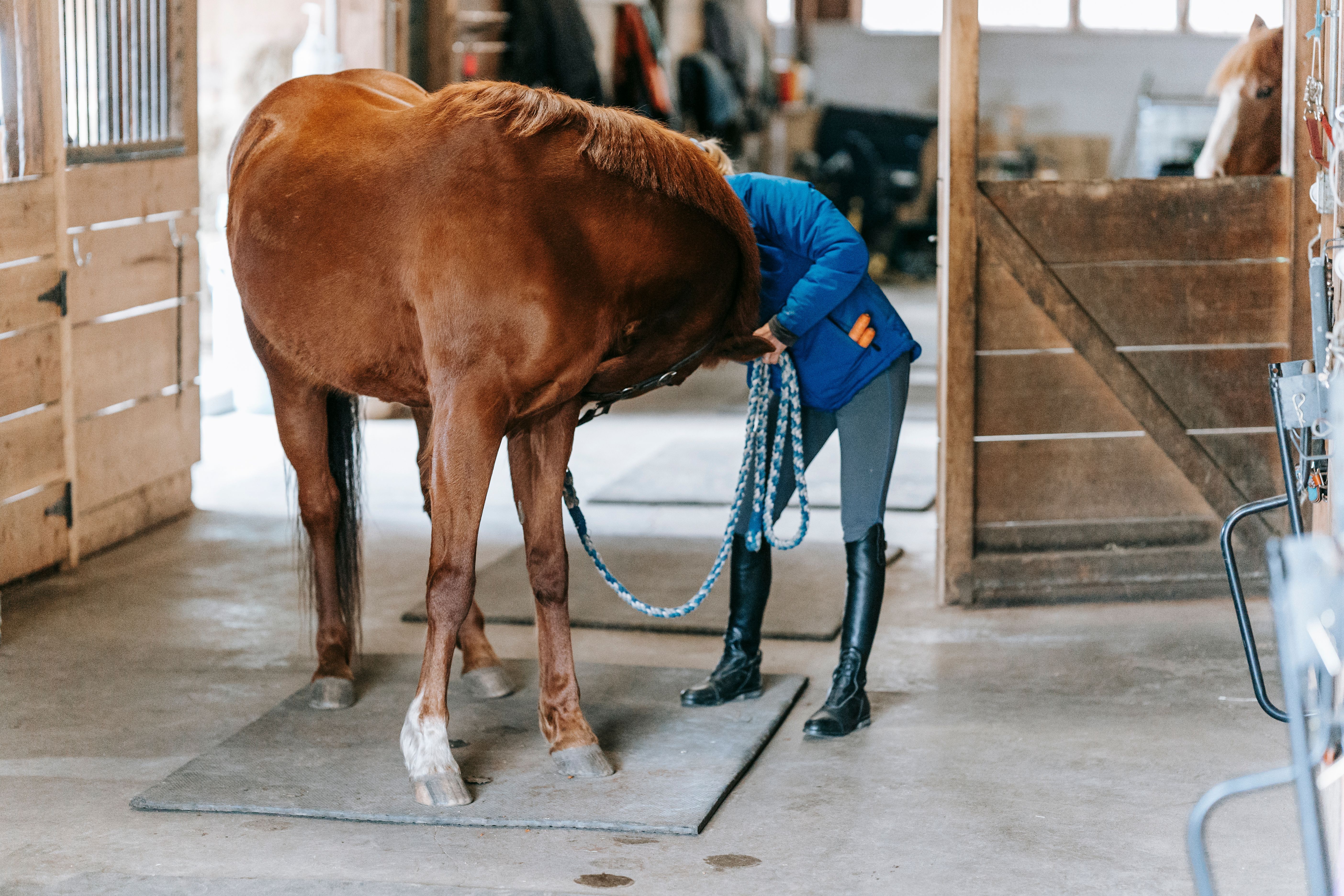
Signs That Foaling is Near
Mares rarely give a lot of notice, so knowing what to look for early gives you the best chance of being present when it counts.
Maiden mares in particular often don't show the classic signs as clearly. If this is your mare's first foal, keep a closer eye than you think you need to.
Udder Development
The udder starts filling up two to three weeks before foaling. If your mare's bag looks noticeably fuller than usual, it's time to start monitoring more closely.
Waxing of the Teats
Small waxy deposits appear on the teat ends as foaling approaches. Around 90% of mares foal within 24–48 hours of waxing – it's one of the most reliable signs you'll see.
Relaxation of the Hindquarters
The ligaments around the tailhead and pelvis soften in the days before foaling. The vulva also lengthens and relaxes, and the belly may appear to drop slightly as the foal shifts into position.
Behavioural Changes
Restlessness, pacing, getting up and down, sweating and general agitation are all signs that your mare has entered the early stages of labour. These can look a lot like mild colic, so watch carefully and make sure she's still passing manure.
Milk Calcium Testing
For a more precise prediction, you can test the calcium levels in your mare's early milk using a product like FoalWatch. Once calcium levels rise above 200 parts per million, there's a strong likelihood she'll foal within 24–72 hours.
Setting Up the Foaling Space
Move your mare to a clean, well-bedded area at least a week before her due date so she can settle in. The ideal foaling space is:
- At least 4m x 4m (a larger stall or clean yard)
- Bedded with straw rather than shavings. It doesn't stick to a wet foal and is less likely to contaminate the umbilicus
- Well-lit and easy to observe without disturbing the mare
- Close to power for a foal camera if you're setting one up
A basic foal camera is worth the investment. Being able to monitor your mare overnight without disturbing her means you're less likely to miss the moment.
Your Foaling Kit: What to Have Ready
Have your foaling kit supplies assembled and in one place at least two weeks before her due date. Here's what you need:
Essentials:
- Chlorhexidine solution and a small disposable cup (for umbilical dipping)
- Clean towels – several of them
- Disposable exam gloves
- Sharp, clean scissors (critical for a red bag emergency – see below)
- A torch or head lamp
- Vetwrap
- A Fleet enema for the foal
- Thermometer and stethoscope
Good to have:
- Tail bandage for the mare
- Notepad to record timing of key events
Your equine breeding supplies should also include any products your vet has recommended for the mare in late pregnancy. Check your stock of horse first aid basics while you're at it; iodine, bandaging materials and wound spray are all worth having on hand.
If your mare is on a horse vitamin supplements programme, confirm with your vet that her diet is appropriately supporting the final weeks of gestation and early lactation.
Know the Warning Signs: Red Bag Delivery
Every foaling observer needs to know what a red bag delivery looks like. Usually, you'll see a thin white or translucent membrane appear first. If you see a thick, dark red bag instead, that's the placenta – and it means the foal is being oxygen-deprived.
Cut it open immediately with your scissors and call your vet. This is classed as an emergency.
The 1-2-3 Rule After Birth
Once the foal arrives, use this simple framework to check that everything is progressing normally:
- 1 hour – the foal should be standing unassisted
- 2 hours – the foal should be nursing (colostrum from the first milk is essential for immunity)
- 3 hours – the placenta should have been passed by the mare
If any of these milestones are missed, contact your vet. Save the placenta regardless, your vet will want to inspect it to make sure it's been passed whole.
The umbilical cord should break naturally when the foal attempts to stand. Once it does, dip the stump in chlorhexidine solution to prevent infection, and repeat daily for the first few days
Be Foaling Season Ready with Scone Equine Group
The mares that foal without a hitch are usually the ones with prepared owners behind them. Set up your space, assemble your kit and know your vet's after-hours number before you're in the thick of it.
Browse our range of foaling kit supplies and equine breeding supplies at Scone Equine Group, or get in touch with our team if you need a hand getting everything together before the big day.