
Colic in Horses: Early Signs & When to Call the Vet
25th Aug 2026
Colic in horses is one of the most common reasons owners call their vet.
The word simply means abdominal pain, but the causes behind it can range from mild and short-lived to something that needs urgent attention. The good news is that learning to recognise the signs of colic in horses early gives your horse the best chance of a quick, comfortable recovery.
At Scone Equine Group, we see colic cases regularly, and a calm, well-informed owner often makes all the difference. Here's what to watch for and when it's time to call.
Key Takeaways
- Colic in horses means abdominal pain, with causes ranging from gas build-up to impactions.
- Watch for pawing, flank-watching, restlessness, reduced appetite and changes in manure output.
- Dehydration, sudden diet changes and parasites are common contributing factors.
- Most horses respond well to prompt veterinary care, so call your vet as soon as you notice signs.
- Good hydration, consistent feeding and daily gut support all help lower the risk.
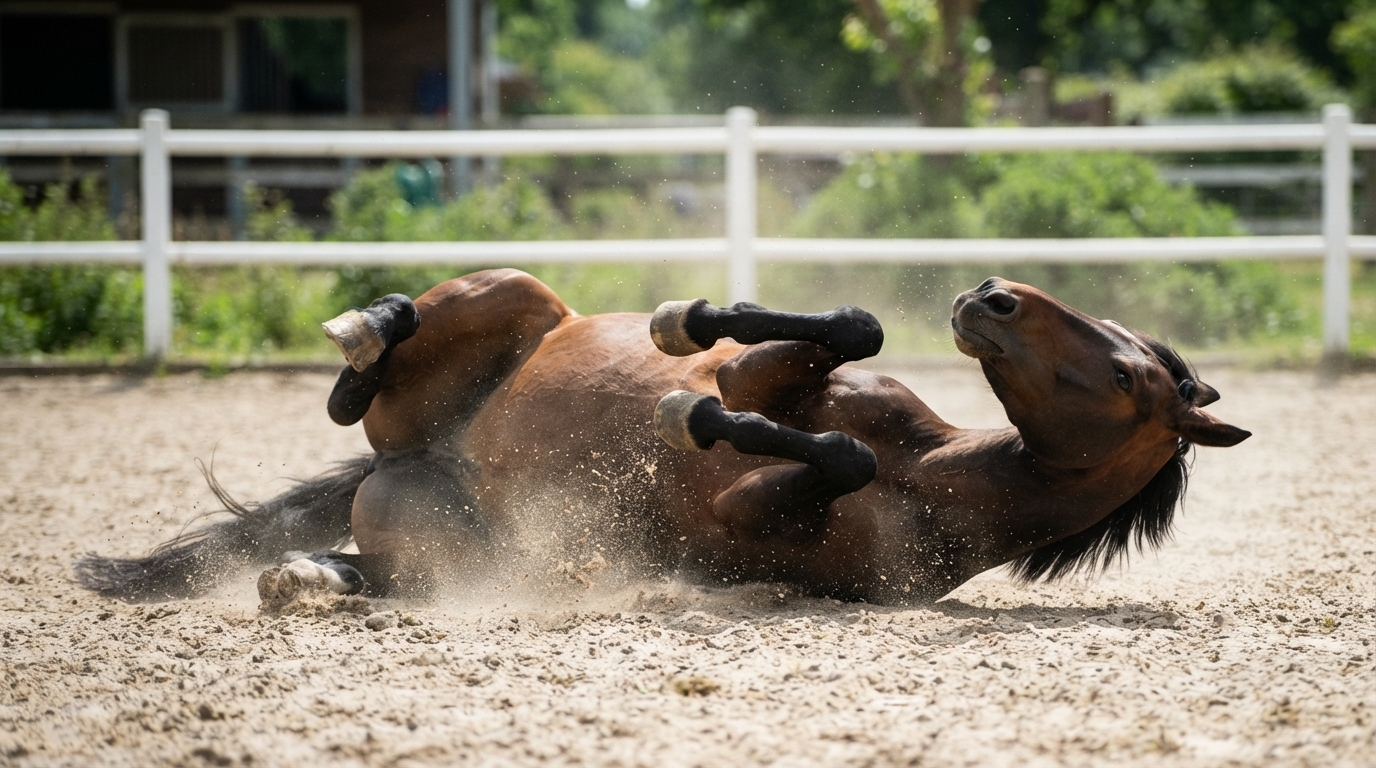
What is Colic in Horses?
Colic isn't a single condition. It's a general term vets use for abdominal pain, which can stem from gas, impaction, displacement, or occasionally something more complex, like a twist.
Horses are especially prone to it because their intestines are long and only loosely attached inside the abdomen, so they can shift more easily than we'd like.
Why Early Recognition Helps
Most horses showing signs of colic respond well to prompt, straightforward treatment, and catching those signs early usually means a smoother recovery.
Signs of Colic in Horses to Watch For
Every horse shows discomfort a little differently, so it helps to know your horse's normal habits first. That said, there are some classic signs of colic in horses to watch for.
Early or mild signs:
- Pawing at the ground
- Looking back at the flank
- Reduced interest in feed
- Lying down more than usual
- Less manure than normal
More noticeable signs:
- Repeatedly lying down and getting up
- Rolling
- Sweating without exercise
- A faster heart rate or breathing rate
- Kicking or biting at the belly
If you spot any combination of these, it's worth checking in with your vet, even if your horse seems to settle again on its own.
What Increases the Risk of Colic?
A few everyday factors can raise the risk:
- Sudden changes in feed or pasture
- Limited access to fresh water, especially in warm weather
- Parasite burdens
- Dental issues that affect chewing
- Stress from travel, new environments or routine changes
- Sand ingestion in some grazing areas
Keeping routines consistent and your horse well hydrated goes a long way toward keeping their gut settled.
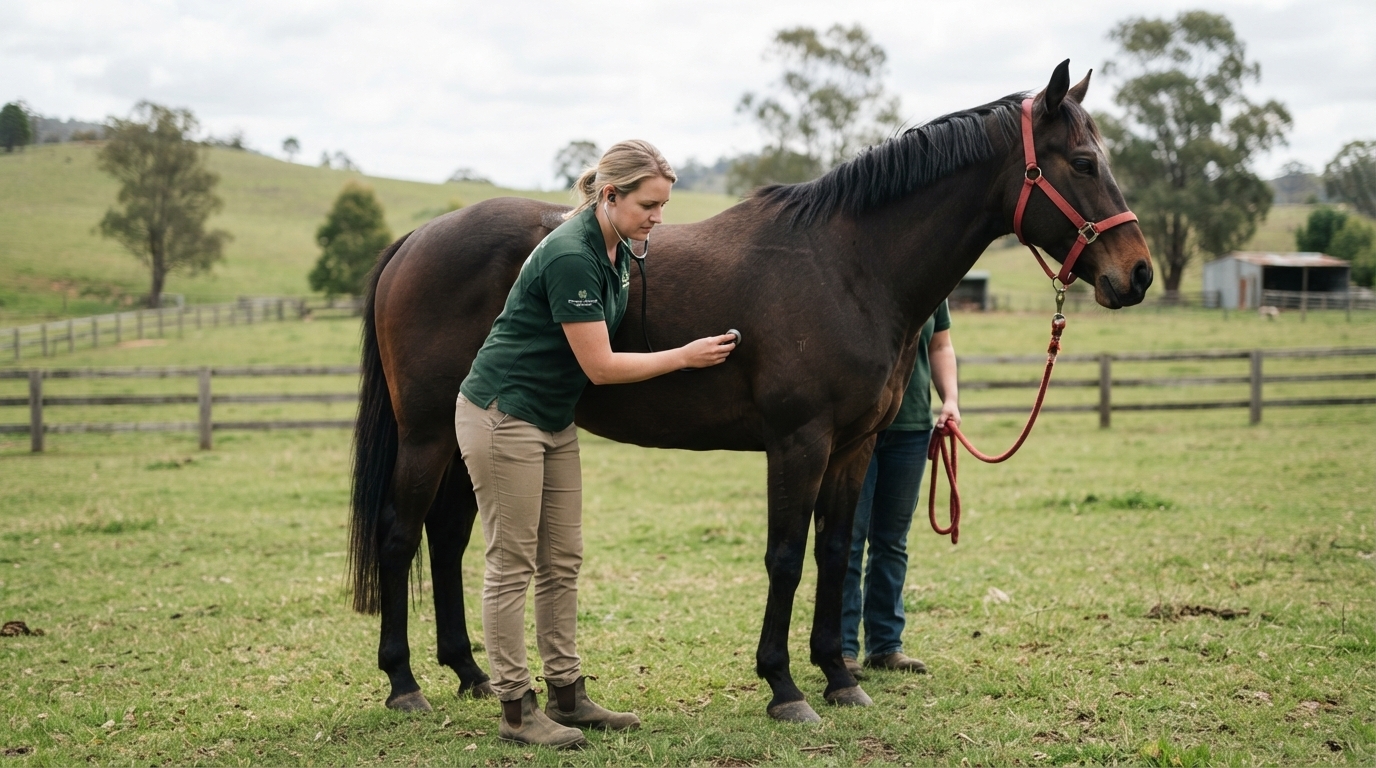
When to Call the Vet
As a general rule, any sign of colic in horses deserves a phone call to your vet. It doesn't need to look dramatic. Even mild, ongoing discomfort is worth mentioning.
While You Wait for the Vet
- Remove hard feed, but leave water available unless your vet says otherwise
- Keep your horse in a safe, open area
- Walk your horse gently only if they're restless, not if they're calm
- Avoid giving pain relief unless your vet has advised it, since it can hide symptoms they need to assess
- Note your horse's heart rate, manure output and general behaviour to share with your vet
Your vet will usually run through a physical exam and check gut sounds before recommending next steps. Most horses are back to their comfortable selves with prompt, straightforward care.
Supporting Your Horse's Gut Health Every Day
Prevention plays a significant role in managing the risk of colic. A steady digestive care routine helps keep your horse's gut functioning well day to day.
Adding quality digestive supplements for horses to your feeding routine can help support gut lining health and manage the risk of ulcers, which are often linked to colic.
Hydration matters just as much. Keeping electrolytes for horses on hand, especially through warmer months or after travel, helps maintain fluid balance and encourages healthy drinking habits. Knowing the signs of electrolyte imbalance in horses means you can step in early, before dehydration becomes a bigger issue.
For horses prone to gastric sensitivity, sucralox for horses is another option worth discussing with your vet as part of a broader gut support plan.
Be Ready to Act with Scone Equine Group
Recognising the signs of colic in horses and knowing when to call your vet puts you in the best position to help your horse quickly and with confidence.
Keep your first aid kit and gut support essentials stocked so you're never caught without what you need. Order horse vet supplies online through Scone Equine Group and have trusted products ready whenever your horse needs them.