
Why is Hoof Care Important for Horses?
24th Feb 2026
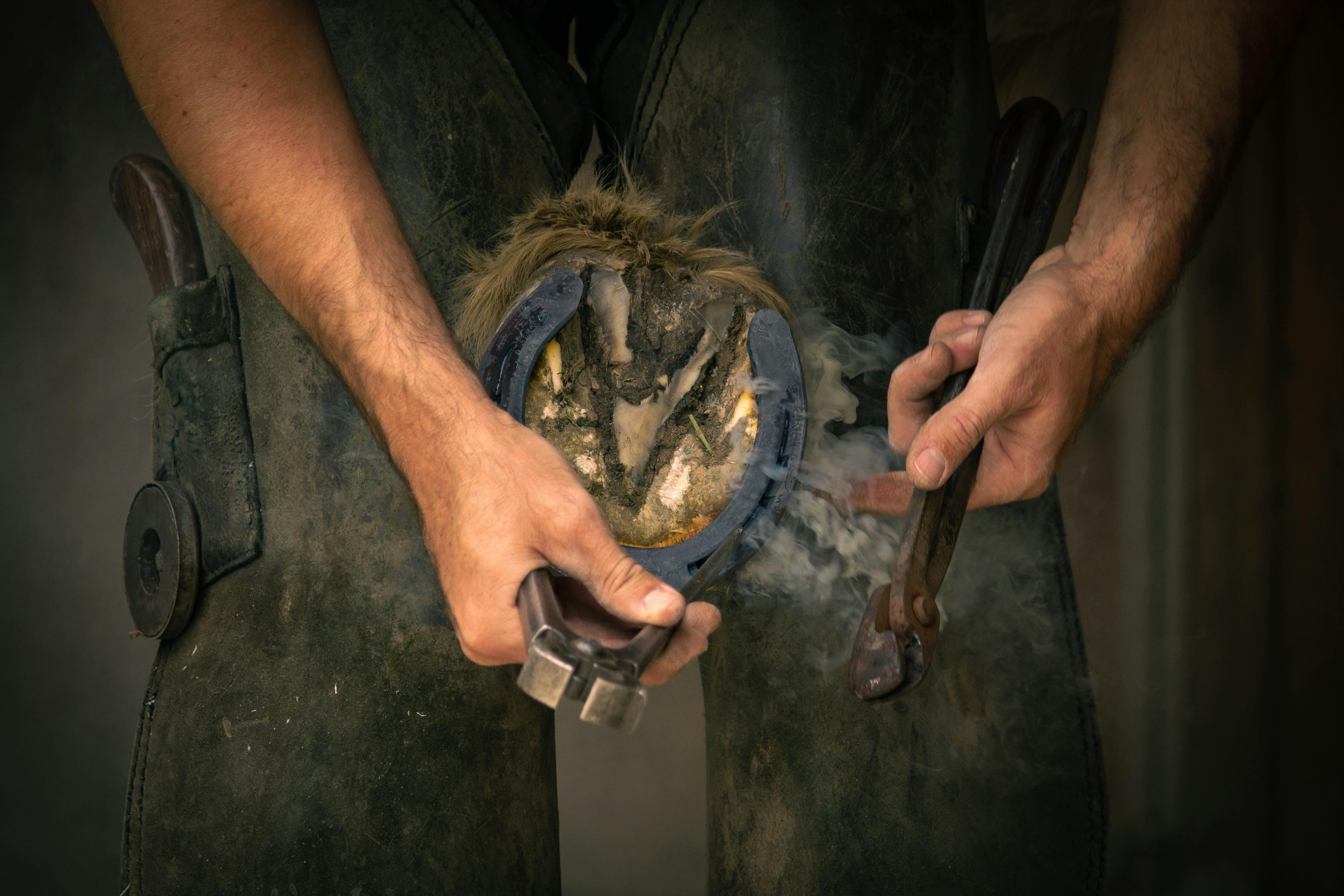
There's an old saying among horse people: "No hoof, no horse." It might sound dramatic, but it's absolutely true. Your horse's hooves are the foundation of everything they do, from a quiet walk around the paddock to competing at the highest levels. When hoof health suffers, your horse's comfort, soundness, and performance all suffer with it.
So why is hoof care so important for horses? The short answer is that neglected hooves lead to pain, lameness, and potentially permanent damage. The longer answer involves understanding just how much those four feet do for your horse every single day.
The Quick Answer
- Hooves bear your horse's entire body weight and absorb significant shock with every step
- Poor hoof care is one of the leading causes of preventable lameness
- Regular trimming maintains proper balance and prevents strain on joints, tendons, and ligaments
- Many common hoof problems are avoidable with consistent care
- A good hoof care routine combines professional farrier work with daily owner attention
What Healthy Hooves Actually Do
Your horse's hooves aren't just hard coverings that protect the foot. They're complex structures that perform several vital functions. Here’s why good hoof care is so important for horses:
Weight bearing and shock absorption
Every time your horse takes a step, their hooves absorb the impact of their body weight hitting the ground. During faster gaits or jumping, this force multiplies significantly. Healthy hooves distribute this load evenly and cushion the sensitive internal structures from damage.
Traction and stability
The shape and texture of the hoof, along with the frog's contact with the ground, provide grip on various surfaces. This is essential for everything from navigating uneven terrain to performing athletic manoeuvres safely.
Blood circulation
The frog acts as a secondary pump for blood flow in the lower limb. When it makes contact with the ground, it compresses and releases, helping push blood back up the leg. Horses that don't move enough or have improperly trimmed frogs can experience reduced circulation.
When any of these functions are compromised by poor hoof care, problems quickly follow.
The Consequences of Neglected Hooves
Skipping farrier appointments or failing to maintain hooves between visits might seem harmless at first, but the effects compound over time.
Hoof imbalance
When hooves grow too long or unevenly, the angles change. This throws off your horse's entire biomechanics, placing abnormal stress on joints, tendons, and ligaments all the way up the leg. Long toes and underrun heels are particularly common in neglected hooves and can lead to chronic conditions like navicular disease.
Cracks and chips
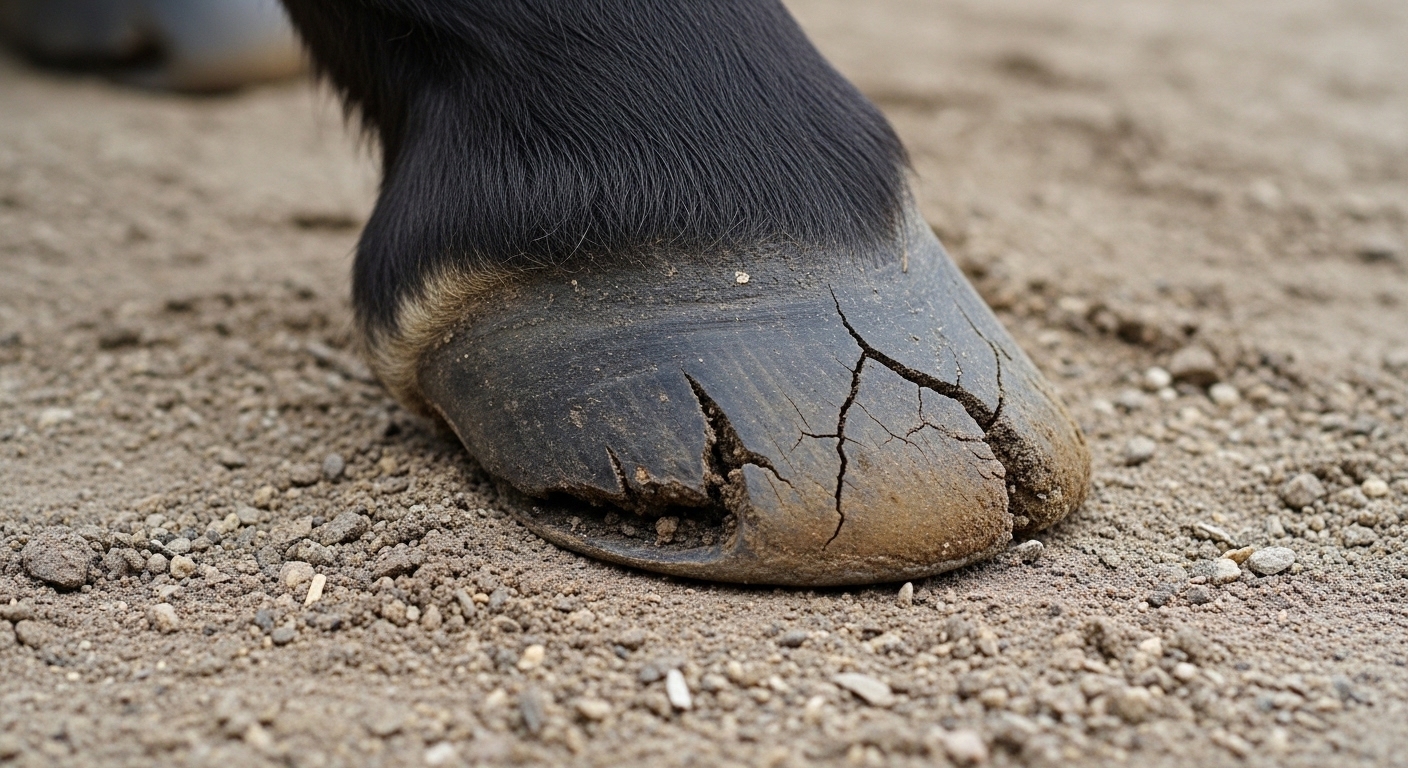
Overgrown hooves are more prone to cracking and breaking. What starts as a minor chip can develop into a deeper crack that causes lameness or allows infection to enter. Managing cracks between visits becomes much harder when the underlying hoof care has been inconsistent.
Thrush and infection
Hooves that aren't cleaned regularly are vulnerable to bacterial and fungal infections. Thrush, which attacks the frog, produces a foul smell and black discharge. Left untreated, it can invade sensitive tissues and cause serious lameness.
Lameness
Ultimately, poor hoof care leads to pain and lameness. This might appear suddenly, as with an abscess, or develop gradually as chronic conditions take hold. Either way, a lame horse can't be ridden, and severe cases may result in permanent unsoundness.
The Building Blocks of Good Hoof Care
Maintaining your horse's hooves doesn't have to be complicated, but it does require consistency. Here's what a solid hoof care routine looks like.
Regular farrier visits
Most horses need trimming or shoeing every six to eight weeks, though individual needs vary based on hoof growth rate, workload, and hoof quality. Your farrier maintains proper hoof balance, addresses any developing issues, and can advise on whether your horse needs horse shoes or can go barefoot.
Choosing the right shoes for your horse's discipline and hoof condition is an important conversation to have with your farrier. What works for a racehorse won't suit a trail horse, and therapeutic shoes may be needed for horses with existing problems.
Daily cleaning and inspection
Using your horse grooming tools, pick out your horse's feet daily. This removes debris that could cause bruising or infection and gives you the chance to spot problems early. Look for cracks, punctures, unusual odours, heat, or changes in the frog.
Appropriate environment
Hooves thrive in consistent conditions. Prolonged wet or muddy environments soften hooves and encourage bacterial growth, while excessively dry conditions make hooves brittle and prone to cracking. Clean, dry bedding and well-drained paddocks go a long way toward keeping hooves healthy.
Proper nutrition
Strong hooves grow from the inside out. A balanced diet that meets your horse's vitamin and mineral needs supports healthy hoof growth. Key nutrients include:
- Biotin
- Zinc
- Copper
- Methionine
- Omega fatty acids
If your horse has weak or slow-growing hooves, hoof health supplements containing these nutrients can help improve hoof quality over time, though it takes nine to twelve months for a hoof to fully grow out.
Regular exercise
Movement promotes blood flow to the hooves, which supports healthy tissue growth and helps prevent conditions like thrush. Horses that stand in stalls for extended periods without turnout often develop poorer hoof health than those with regular exercise.
How Often Should You Check Your Horse's Hooves?
Ideally, you should be picking out and visually inspecting your horse's hooves every day. Before and after riding is a good habit to develop. This daily attention helps you notice changes early, when they're easiest to address.
Between farrier visits, watch for:
- New cracks or chips in the hoof wall
- Foul odours or black discharge around the frog
- Heat in the hoof or digital pulse
- Changes in your horse's gait or willingness to move
- Loose or shifted shoes
If you notice any of these signs, contact your farrier or vet rather than waiting for the next scheduled appointment.
It All Starts With the Feet
When you invest time and attention into your horse's hooves, you're investing in their overall wellbeing. Sound hooves mean a comfortable horse who can move freely, perform their best, and stay healthy for years to come.
The effort required is relatively small: regular farrier care, daily cleaning, good nutrition, and a watchful eye. But the payoff is enormous. After all, no hoof really does mean no horse.
Concerned About Your Horse's Hoof Health?
If you've noticed changes in your horse's hooves or they're showing signs of lameness, the team at Scone Equine Group can help. Our experienced equine veterinarians work closely with farriers to diagnose hoof problems, develop treatment plans, and get your horse back to full soundness. Contact us today to book an appointment.