
Ringworm in Horses – The Dreaded Skin Infection
15th Dec 2025
If you’ve noticed a circular patch of raised hair on your horse's coat, it could be ringworm on horses – one of the most contagious skin infections in equine care. Despite the name, ringworm isn't caused by a worm at all. It's a fungal infection that spreads like wildfire through stables. The tricky part? Your horse can pass it on to others for up to three weeks before you even spot the first lesion.
What makes ringworm particularly frustrating for horse owners is that it thrives on everything your horse touches. Saddles, grooming brushes, stable doors, and even your riding gear can harbour the spores for months. Here’s what you need to keep an eye out for, the recommended treatment for ringworm in horses, and prevention care.
Key Takeaways
- Ringworm is a highly contagious fungal skin infection affecting horses of all ages.
- Early signs include small raised tufts of hair (1-2cm diameter), often in circular patterns around the girth and saddle area.
- The infection spreads through direct contact and contaminated equipment before symptoms appear.
- Treatment involves antifungal shampoos, topical creams, and rigorous disinfection of all equipment.
- Isolate infected horses immediately and use separate tack to prevent yard-wide outbreaks.
What is Ringworm on Horses?
Ringworm on horses is a fungal skin infection caused primarily by Trichophyton equinum and Microsporum gypseum. The fungus feeds on keratin (the protein in your horse's skin, hair, and hooves), creating those distinctive crusty, scaly lesions.
You'll typically spot ringworm first on your horse's girth and saddle areas, though it can appear anywhere on the body. The infection gets its name from the ring-shaped pattern of hair loss, but lesions can appear in various shapes and sizes.
Early Warning Signs to Watch For
Catching ringworm early is crucial to preventing it from worsening. Here's what to look for during your daily grooming routine:
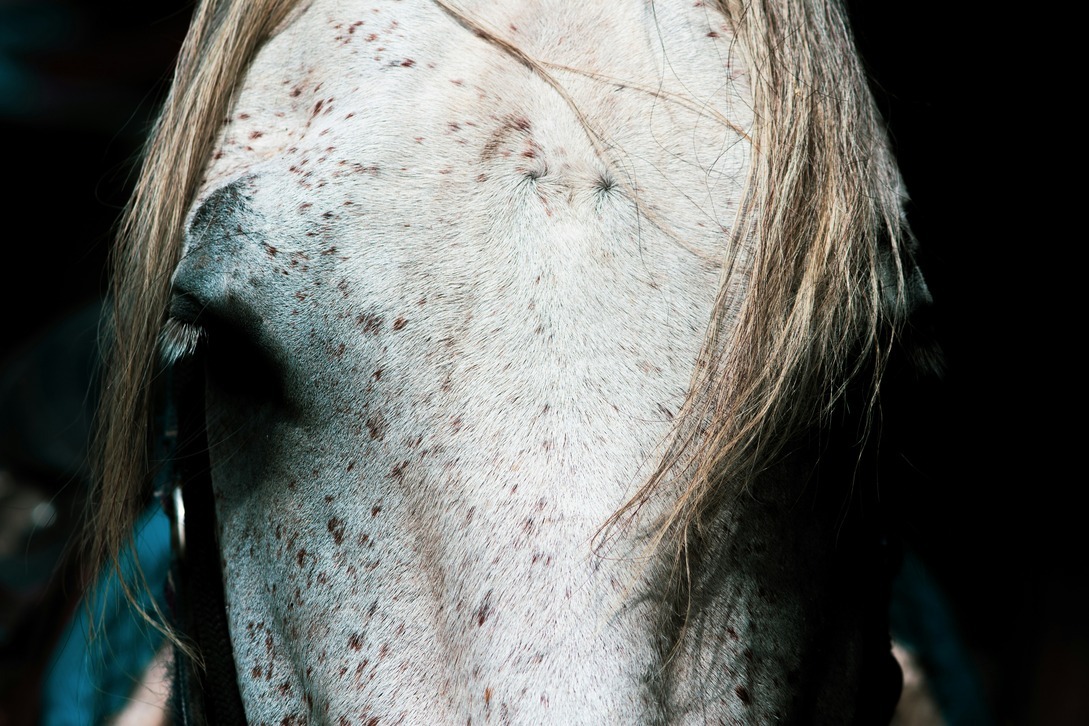
- Raised tufts of hair standing up against the natural coat direction, usually 1-2cm in diameter
- Circular patches with a crusty, scaly appearance and a "cigarette ash-like" deposit between hairs
- Hair loss that starts small but potentially spreads quickly across the affected area
- Mild itchiness. Your horse may rub or scratch the affected spots, though it's usually less itchy than other skin conditions
- Clustered lesions rather than scattered across the body
The incubation period can be anywhere from seven days to three weeks, which means your horse could be shedding infectious spores well before you notice any symptoms.
How Ringworm on Horses Spreads
Understanding transmission is half the battle in controlling ringworm. The fungus spreads through:
- Direct contact: Horses touching noses, mutual grooming in the paddock, or rubbing against each other.
- Shared equipment: Saddles, bridles, numnahs, and grooming brushes are prime culprits. Using the same tack from an infected horse is also a common way ringworm on horses spreads.
- Contaminated environments: Stable walls (especially timber), fence posts, feed bins, and horse floats can harbour spores for up to 18 months.
- Human handlers: You can inadvertently transfer spores between horses on your clothes, gloves, or boots.
How to Treat Ringworm on Horses
But, how to treat ringworm on horses? Time is of the essence. Start treatment immediately upon suspicion instead of waiting for lab confirmation.
Topical treatments are recommended. Apply antifungal shampoos or washes containing enilconazole or chlorhexidine to the affected areas 2-3 times per week. Products like antifungal cream for horses work well for localised lesions, soothing the irritated skin while combating the fungus.
For a ringworm in horses treatment to be effective, you must treat the entire environment:
- Disinfect all tack, saddle cloths, and rugs with a ringworm-specific disinfectant
- Wash grooming brushes in an antifungal solution or dispose of them
- Clean stable walls, doors, and fencing with diluted bleach (1:10 ratio for concrete surfaces)
- Keep the infected horse's equipment completely separate
Your veterinarian may prescribe oral antifungal medications (such as griseofulvin) for severe cases, though topical treatment alone usually clears the infection within 1-4 weeks.
If you're dealing with secondary skin wounds from scratching, a quality horse wound spray can help protect healing skin from bacterial infection.
Preventing the Spread
Here's how to ringworm-proof your property:
- Quarantine new arrivals for 2-3 weeks before introducing them to your resident horses
- Avoid sharing equipment between horses, especially during winter when thicker coats and rugs create ideal fungal conditions
- Practice strict biosecurity. Wear gloves when handling infected horses and wash your hands thoroughly before touching healthy horses.
- Keep your facilities clean. Remove manure and soiled bedding daily to minimise fungal contamination
- Monitor regularly and closely for early signs of infection, especially in new horses and youngsters.
Once a horse has recovered from ringworm, it typically develops immunity that protects them for months or even years – though it's not immune for life.
Get Expert Guidance
Ringworm outbreaks can shut down competition yards, breeding facilities, and racing stables quickly. The key is recognising it early, treating it aggressively, and implementing strict biosecurity measures before it spreads.
If you suspect ringworm in your horse, contact your veterinarian immediately for a confirmed diagnosis. They can provide tailored advice on the most effective treatment protocol for your situation and help you implement prevention strategies to protect the rest of your horses.