
What is Greasy Heel in Horses, and Do You Treat It?
24th Feb 2026
If you've ever noticed crusty, scabby patches forming around your horse's heels and pasterns, there's a good chance you're dealing with greasy heel.
It's one of those conditions that seems to pop up out of nowhere, especially during wet weather, and can quickly become a frustrating problem if you don't get on top of it early. In this blog, we’ll cover the question “what is greasy heel in horses?”, its causes, how to treat it, and more.
The Quick Answer
- Greasy heel is a bacterial (and sometimes fungal) skin infection affecting horses' lower legs
- Wet, muddy conditions and damaged skin are the main triggers
- Treatment involves keeping the area clean, dry, and medicated
- Horses with white legs and feathered breeds are most susceptible
- Left untreated, it can lead to painful swelling, lameness, and secondary infections
What is Greasy Heel in Horses?
Greasy heel goes by many names: mud fever, pastern dermatitis, scratches, cracked heels, and dew poisoning. Regardless of what you call it, it's essentially an infection of the skin on the back of the pastern and heel area.
The name comes from the greasy-looking discharge that oozes from affected skin. In the early stages, you might notice redness, raised hair, and small scabs forming. As the condition progresses, the skin becomes thickened, cracked, and painful. Your horse may become sensitive about having their legs handled, and in severe cases, the limb can swell significantly.
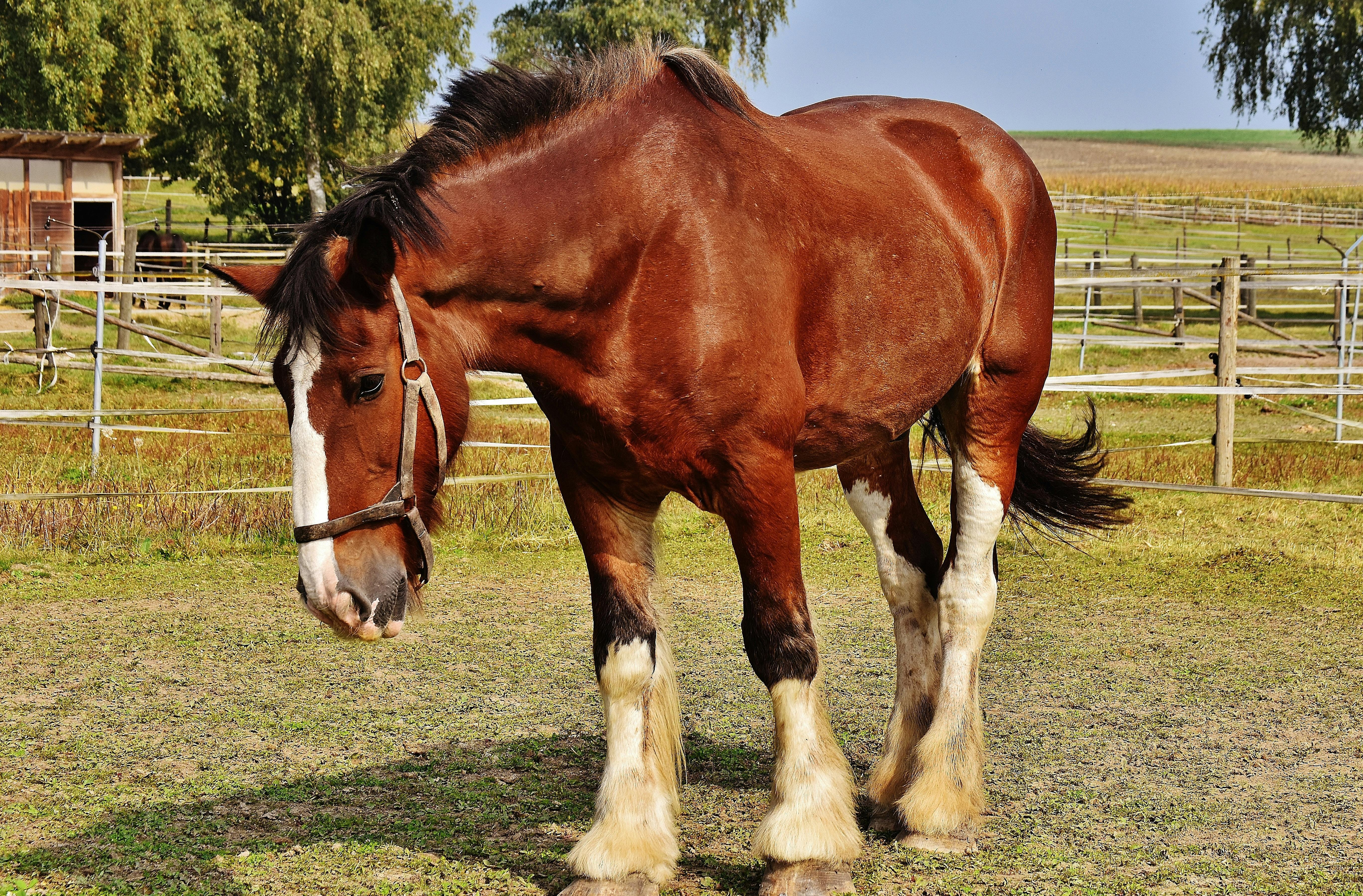
Greasy heel in horses most commonly affects the hind legs, though it can occur on any limb. Horses with pink skin and white markings are particularly prone, as unpigmented skin is more vulnerable to sun damage and irritation. Draft breeds and horses with heavy feathering on their lower legs are also at higher risk because the long hair traps moisture against the skin.
What Causes Greasy Heel in Horses?
Understanding what causes greasy heel in horses is key to both treatment and prevention. The condition typically develops when bacteria or fungi enter through breaks in the skin's protective barrier.
The most common causes include:
- Prolonged exposure to wet, muddy conditions
- Repeated wetting and drying of the lower legs
- Standing in dirty, wet bedding
- Skin damage from sun exposure (especially on white legs)
- Mites, particularly Chorioptes mites
- Allergic reactions or photosensitivity from certain pasture grasses
Essentially, anything that compromises the skin's integrity can open the door to infection. The bacteria Dermatophilus congolensis is often involved, which is the same organism responsible for rain scald. Once the skin barrier is broken and moisture is present, opportunistic bacteria and fungi move in quickly.
Some horses seem to get greasy heel repeatedly, even with good management. In these cases, there may be an underlying issue at play, such as mite infestations, fungal infections, or immune-related conditions.
If your horse keeps developing the condition despite your best efforts, it's worth having your vet investigate further. Our resources on treating fungal infections can also be helpful if you suspect fungi are contributing to the problem.
How to Treat Greasy Heel in Horses
Now for the important part: effective greasy heel treatments. The key is a multi-pronged approach that addresses both the infection and the underlying conditions that allowed it to develop.
Step One: Clip the Affected Area
If your horse has long hair or feathering around their pasterns, carefully clip it away. This allows air to reach the skin and makes treatment much easier. Be gentle and avoid nicking the already sensitive skin.
Step Two: Clean Thoroughly but Gently
Using a medicated shampoo for horses containing chlorhexidine, betadine, or an antifungal agent, gently wash the affected area. Let the shampoo sit for about ten minutes before rinsing.
Avoid scrubbing harshly, as this can cause further damage. Soft scabs can be carefully massaged off while wet, but never pick or pull at stubborn ones.
Step Three: Dry Completely
This step is crucial. Trapped moisture under scabs or bandages will only make things worse. Use clean towels to pat the area thoroughly dry.
Step Four: Apply Topical Treatment
Once dry, apply a horse wound cream or barrier ointment as directed by your vet. Products containing zinc oxide or antiseptic agents help protect the skin and promote healing. Continue treatment for a minimum of three weeks, even if the area looks better, to ensure the infection is fully resolved.
Step Five: Manage the Environment
Protecting your horse's skin means keeping them out of wet, muddy conditions while they heal. Move them to a dry paddock or provide shelter with clean, dry bedding. Avoid turning out when there's heavy dew or frost on the ground.
In more severe cases where the limb is swollen or the horse is lame, your vet may prescribe stronger greasy heel treatments like systemic antibiotics and anti-inflammatory medication. Pain relief is important for horses who are clearly uncomfortable.
When to Use Bandages
Horse bandages can be helpful for protecting healing skin from further contamination, but they come with a caveat. Bandages that trap moisture can make greasy heel worse. If you bandage the area, change the dressings daily and ensure the skin is completely dry before reapplying. In many cases, leaving the area open to air is actually preferable.
Preventing Greasy Heel From Returning
Prevention really is easier than cure when it comes to greasy heel. Here's how to reduce your horse's risk:
- Keep paddocks and stables well-drained and free of muddy patches
- Provide dry bedding and clean it regularly
- Dry your horse's legs thoroughly after washing or wet conditions
- Avoid leaving boots or wraps on for extended periods
- Check your horse's legs regularly, especially during wet seasons
- Consider clipping feathers on susceptible horses
- Apply barrier creams to vulnerable areas before turnout in wet conditions
Horses with white legs may also benefit from sunscreen or zinc-based creams on their pasterns during summer to prevent sun damage.
When to Call the Vet for Greasy Heel on Your Horse
While mild cases of greasy heel can often be managed at home, you should contact your vet if:
- The condition isn't improving after a week of treatment
- The limb becomes significantly swollen
- There's discharge that looks like pus
- Your horse is lame or in obvious pain
- The problem keeps recurring despite good management
Untreated greasy heel in horses can lead to serious complications, including cellulitis (a deep skin infection), permanent skin thickening, and chronic lameness. Early intervention and proper treatments gives your horse the best chance of a quick recovery.