
First Aid for Horses
15th Dec 2025
No horse owner ever wants to be in a situation where their mare is thrashing in her stable, drenched in sweat, and repeatedly looking at her flanks. It's colic, but your vet's 45 minutes away, and you’re wondering what to do in those critical minutes.
Knowing horse first aid is essential for every owner, whether you're a weekend trail rider or thoroughbred breeder. The difference between panic and confident action often determines your horse's outcome. Our guide compiles all you need to know to provide first aid for your horse in these incidents.
Key Takeaways
- Know normal vital signs first: Heart rate (30-44 bpm), temperature (37.5-38.5°C), and respiratory rate (8-20 breaths/min) are your baseline for detecting emergencies.
- Stock a proper first aid kit: Keep essentials like wound spray, bandages, thermometer, and vet contact details in your stable and float.
- Recognise the common emergencies: Colic (abdominal pain), wounds requiring vet attention, and eye injuries need immediate assessment.
- When in doubt, ring your vet. Early intervention dramatically improves outcomes for horses.
Having a Firm Grasp of the Basics: Understanding the Norm
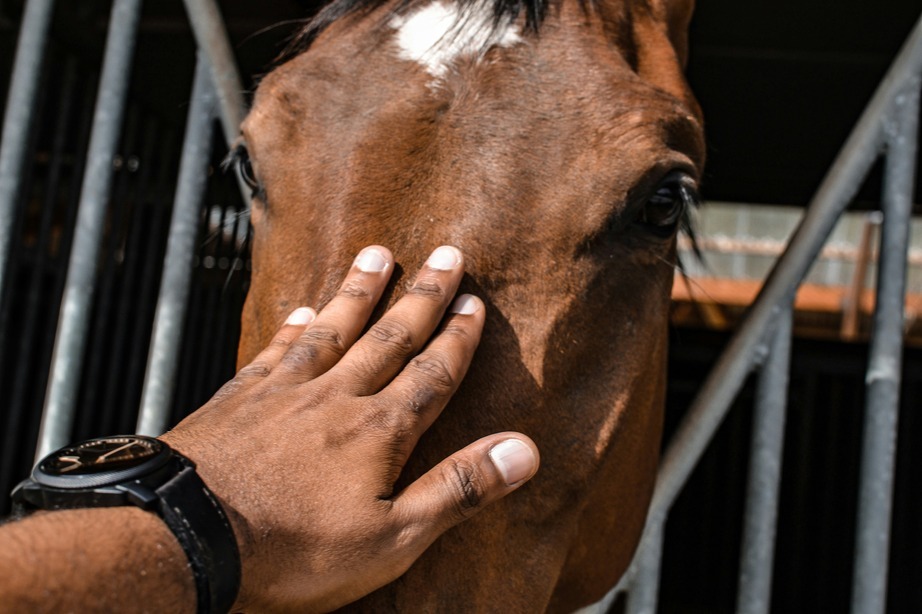
You can't spot trouble if you don't know what healthy looks like. Before any emergency hits, learn your horse's normal vital signs. A healthy horse stands bright, alert, and responsive with a heart rate between 30-44 beats per minute, a respiratory rate of 8-20 breaths per minute, and a temperature of around 37.5-38.5°C.
Watch their daily patterns too. Does your gelding normally lie down after lunch? Does your mare paw when she's excited? Understanding these quirks helps you distinguish between personality and pain. A horse refusing their evening feed or standing unusually still deserves immediate attention – these subtle changes often signal serious problems developing.
Check their capillary refill time by pressing your thumb against their gum above the upper teeth. Release it and count how long the blanched area takes to return to pink. Normal is 1-2 seconds. Anything over 3 seconds? Ring your vet.
Building Your Horse First Aid Kit
Every stable and horse float needs a well-stocked first aid kit for horses. Store it in a clean, clearly labelled container that's easy to grab during emergencies.
Essential items include:
- Digital thermometer
- Stethoscope for checking heart rate
- Clean bandages, gauze pads, and cotton wool
- Horse wound spray or saline solution
- Scissors and tweezers
- Torch with fresh batteries
- Your vet's phone number (laminated and visible)
- Current tetanus vaccination records
Replace used items immediately and check expiration dates monthly. Practice using everything before you need it – you don't want the first time you're wrapping a leg to be during a crisis.
Stay Calm & Act Quick in Common Emergencies
Colic (Abdominal Pain)
Colic accounts for countless vet callouts across Australia. Watch for restlessness, pawing, looking at flanks, lying down repeatedly, or refusing food.
What to do:
Remove all feed immediately, walk your horse gently if they're not too distressed, and call your vet. Never give pain relief without veterinary guidance – it can mask symptoms your vet needs to assess. Around 90% of colic cases resolve with medical management, but early intervention is critical.
Wounds & Bleeding
Horses injure themselves constantly. Small abrasions? Clean gently with saline and monitor for infection. But deep lacerations, wounds over joints or tendons, puncture wounds (especially near the hoof sole), or anything that won't stop bleeding needs urgent veterinary attention.
Our Top Tips:
- Don't panic at blood volume; a 500kg horse has roughly 40 litres of blood, so a small pool looks worse than it is. Apply clean pressure to stop bleeding, avoid over-scrubbing (you'll damage healing tissue), and bandage if safe to do so.
- Puncture wounds near joints are deceptively dangerous – infection can destroy joint structures rapidly, so contact your vet immediately.
- Keep tetanus vaccinations current. Tetanus is expensive to treat, has poor survival rates, and is completely preventable.
Eye Emergencies
Squinting, tearing, cloudiness, or visible trauma to the eye requires a same-day veterinary assessment. Eye injuries in horses can deteriorate rapidly, sometimes leading to permanent damage or even eye removal.
Protect the affected eye from further trauma and keep your horse in a darkened stable until the vet arrives. Don't apply anything to the eye without veterinary instruction.
When to Call Your Vet Immediately
- Severe or prolonged colic symptoms
- Wounds over joints, tendons, or exposing bone
- Difficulty breathing or unusual respiratory sounds
- Eye injuries of any kind
- Temperature above 39°C or below 37°C
- Sudden, severe lameness
Your horse first aid knowledge bridges the gap between injury and professional care. Stock quality horse vet supplies in Australia now, learn the basics, and you'll face emergencies with confidence rather than fear. Your preparation today could save your horse's life tomorrow.
Be Prepared, Stay Calm
Horse owners who handle emergencies best aren't necessarily the most experienced, but the most prepared.
Know your horse's normal behaviour, keep your first aid skills sharp, and trust your instincts. If something feels wrong, contact your vet – a false alarm is better than a late-night crisis that could've been prevented.