
5 Ways to Protect Your Horse's Skin
15th Dec 2025
Noticed your horse rubbing raw patches along the mane? Or perhaps crusty scabs appearing after a few days of rain? These frustrating skin issues often start small but can sideline performance horses for weeks if left unchecked.
The good news is that most common skin conditions are preventable with the right horse skin care routine. Here's how to keep your horse comfortable, competition-ready, and free from avoidable dermatological problems year-round.
Key Takeaways
- Manage moisture exposure with adequate dry shelter and well-draining ground to prevent rain scald and mud fever.
- Shield from harsh sun with shades, sunblock, and protective gear for pink-skinned areas.
- Maintain daily grooming for early detection. This helps you catch issues before they escalate.
- Protect against insects with fly management to prevent sweet itch and bite hypersensitivity.
- Never share grooming tools or riding equipment to avoid spreading fungal and bacterial infections.
5 Tips for Effective Horse Skin Care
1. Manage Moisture & Weather Exposure
Australia's climate swings from torrential rain to bone-dry conditions, and both extremes challenge your horse's skin. Prolonged moisture exposure is one of the biggest culprits behind rain scald and mud fever – two bacterial infections that cause painful scabbing and can lead to lameness if they develop around the heels and coronet band (the beginning of the hoof wall, equivalent to a human’s nail cuticle).
Your horse needs access to dry shelter, especially during wet spells. Make sure paddocks drain properly, especially around water troughs and feeding areas where horses gather. Gravel or heavy-duty mats in high-traffic zones can prevent the wet-dry cycle that weakens skin and allows bacteria to thrive. If your horse develops minor cuts or abrasions in damp conditions, a quality horse wound spray can help protect the area while it heals.
Don't hose legs daily unless absolutely necessary, as it can contribute to skin breakdown. Instead, let the mud dry overnight and brush it off in the morning.
2. Shield Pink Skin From Australia's Harsh Sun
Australian UV levels are among the highest globally, putting horses with white markings at serious risk of sunburn and squamous cell carcinoma (skin cancer). Pink, unpigmented skin around the muzzle, eyes, and lower legs contains less protective melanin and can burn quickly during summer turnout.
Effective horse skin care in our climate means providing adequate shade. Apply zinc oxide sunblock to vulnerable pink areas, particularly on grey horses or those with extensive white markings. UV-blocking fly masks with nose flaps and leg wraps offer physical protection without the mess of creams, though you'll need to ensure they stay secure throughout the day.
Be aware of photosensitivity triggers, such as pasture weed combined with sun exposure, which can cause severe blistering. Unsure about plants on your property? Consult your local agricultural extension service.
3. Implement Daily Grooming and Proper Hygiene
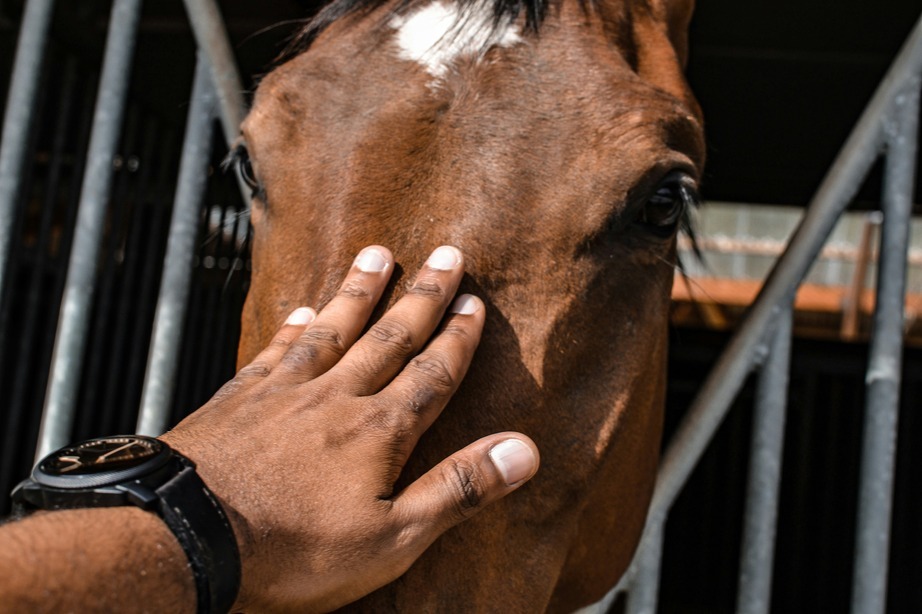
Regular grooming is your best early-warning system for skin problems. Daily brushing lets you spot small changes like heat, swelling, or tiny scabs before they develop into major issues. A horse's skin constantly replaces itself in approximately 17-day cycles, and grooming supports this natural process by removing dead cells and distributing protective oils.
When bathing, use a quality horse medicated shampoo formulated specifically for equine skin rather than harsh household products. Over-washing with aggressive shampoos strips the skin's natural protective barrier, leaving it vulnerable to infections. Most horses only need a full bath every few weeks unless they're working hard or competing regularly.
Pay particular attention to areas prone to chafing: behind the ears, under the saddle, and along the girth line. These spots can develop into entry points for bacteria if irritated tack rubs against compromised skin.
4. Protect Against Biting Insects
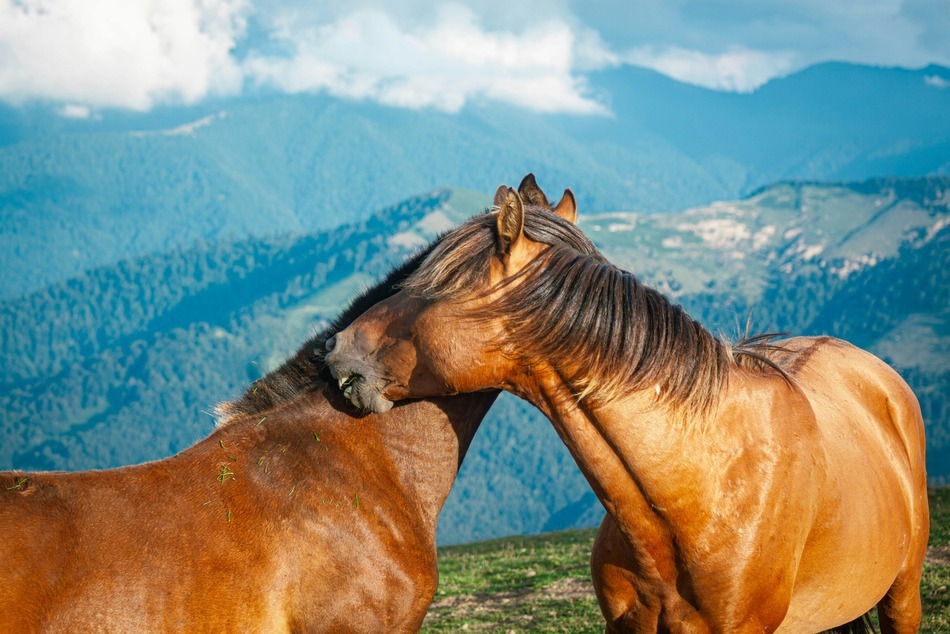
Sweet itch (an allergic reaction to midge and mosquito saliva) can make summer unbearable for susceptible horses. Affected animals will rub themselves raw at the mane, tail, and belly, seeking relief from the intense itching.
Choose fly repellents over insecticides. Repellents prevent bites before they happen, while insecticides only kill insects after they've already bitten your horse. Apply repellent products during dawn and dusk when midges are most active, or stable horses during these peak feeding times if they're severely affected.
For horses with confirmed sweet itch, invest in specialised rugs that cover vulnerable areas from poll to tail. Stable fans also help prevent tiny midges.
5. Practice Strict Biosecurity with Equipment
Ringworm spreads like wildfire through shared grooming tools, saddle pads, and rugs. This highly contagious fungal infection creates distinct circular bald patches with crusty, itchy centres – and it's zoonotic, meaning you can catch it too.
Maintain separate grooming kits for each horse, or at the very least, disinfect brushes regularly with a 10:1 bleach solution, followed by thorough drying in sunlight. If you're attending competitions or travelling to new facilities, never borrow or lend equipment.
If fungal infections do appear, early treatment with an antifungal cream for horses can prevent spread. Isolate affected horses and disinfect all equipment, rugs, and stable surfaces they've contacted.
The same biosecurity principles apply to preventing rain scald transmission. While less contagious than ringworm, it can still spread through contaminated tack.

When to Call Your Veterinarian
While basic horse skin care prevents most common issues, some situations require professional assessment. Contact an equine vet if you notice skin that's sloughing, severe swelling, any growths or tumours, reactions accompanied by fever or behavioural changes, or persistent conditions that don't respond to standard treatment within a few days.
Protecting your horse's skin starts with consistent attention to moisture management, sun protection, grooming hygiene, insect control, and biosecurity. These five strategies will keep your horse's skin healthy, comfortable, and ready to perform at its best.
Need expert guidance on your horse's skin health? Whether you're dealing with persistent dermatological issues or want to implement a prevention plan for your performance horses, Scone Equine Group is here to support you. Contact us for professional advice backed by years of experience in the thoroughbred industry.